Diesel chiptuning: meer koppel, minder verbruik en de feiten over DPF, EGR en AdBlue
Gepubliceerd
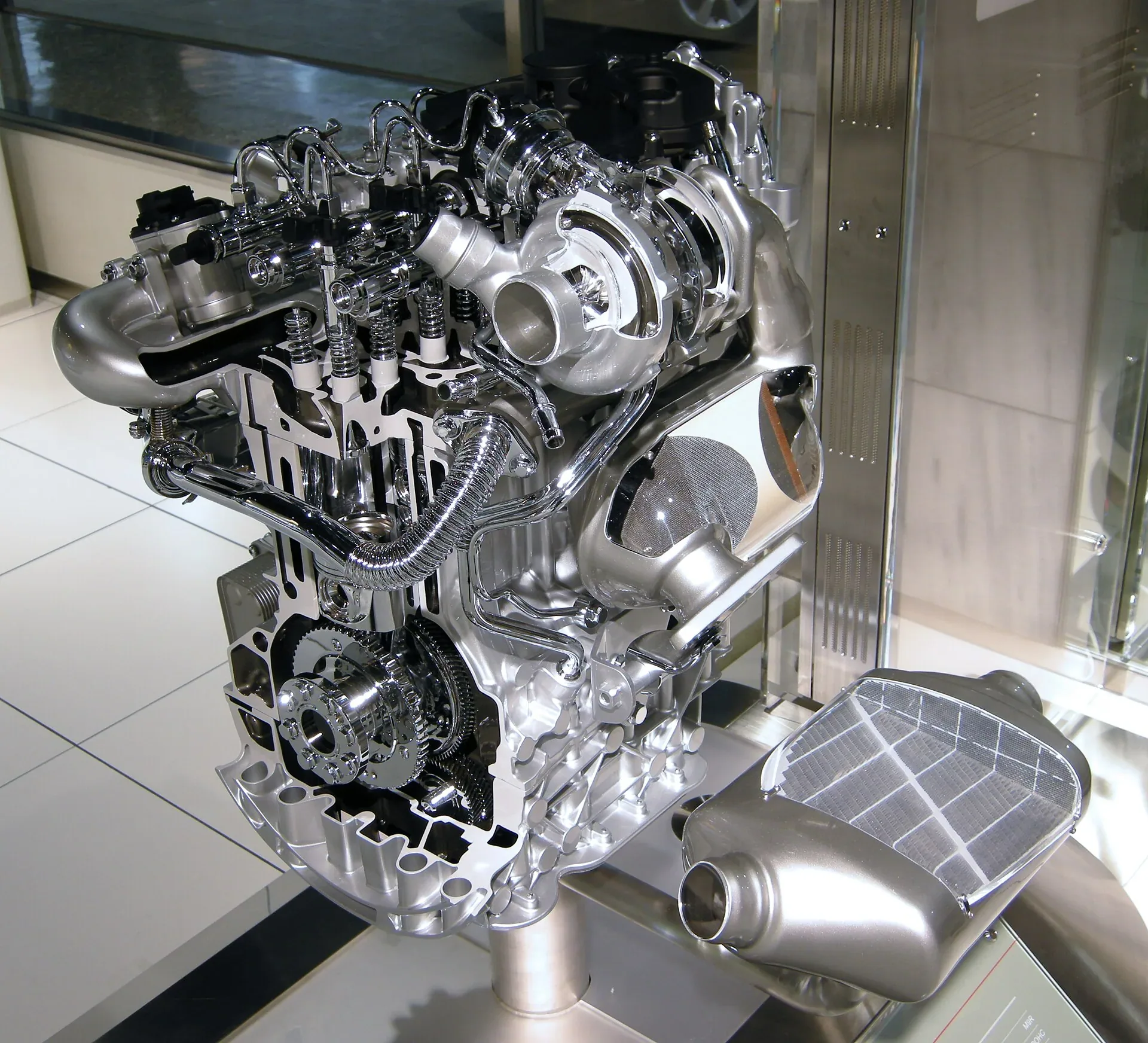
Turbodiesels zijn de dankbaarste kandidaten voor chiptuning. Een moderne common-rail diesel heeft een sterk motorblok, een turbo met flinke reserve en een fabrieksafstelling die vooral op emissienormen en modelbeleid is gericht. Dat maakt de winst groot en, mits verstandig afgesteld, betrouwbaar. In dit artikel: waarom dat zo is, wat het doet met je verbruik, waar de grenzen liggen en wat wij wel en niet doen met de emissiesystemen.
Waarom een diesel zoveel oplevert
Een diesel regelt vermogen met de hoeveelheid ingespoten brandstof, niet met een gasklep. Meer brandstof plus meer lucht van de turbo betekent direct meer koppel. Fabrieken beperken dat koppel bewust om de versnellingsbak van de goedkoopste variant te sparen en om dezelfde motor in meerdere vermogensklassen te kunnen verkopen.
Een 2.0 diesel met 150 pk en 340 Nm heeft na een Stage 1 doorgaans rond 190 tot 195 pk en 400 tot 420 Nm, indicatief en afhankelijk van de uitvoering. Het koppel voel je het meest: invoegen, inhalen met een caravan of aanhanger en bergop rijden gaan met minder schakelen en lagere toeren.
Indicatieve vermogenscurve
Voorbeeld: 2.0 turbodiesel 150 pk, origineel vs Stage 1
Wat merk je er van bij het inhalen?
Het koppel voel je het meest bij het tussensprintje: van 80 naar 120 km/u op een provinciale weg, met een caravan erachter of gewoon om een vrachtwagen voorbij te komen. Druk op Start en zie het verschil tussen dezelfde auto met en zonder Stage 1.
Interactief · inhaalsimulatie
Inhaalsimulatie: 2.0 turbodiesel, 80 naar 120 km/u
Verbruik: lager, als je zelf meewerkt
Meer koppel bij lage toeren betekent dat de motor eerder in een hogere versnelling kan blijven en minder vaak hoeft terug te schakelen. In de praktijk zien we bij rustige rijders een besparing van circa 5 tot 10 procent op de snelweg. Wie het extra vermogen elke keer gebruikt, verbruikt logischerwijs meer. De software bepaalt de mogelijkheid, je rechtervoet de uitkomst.
Voor bedrijfswagens en trekkende auto's is dit vaak het belangrijkste argument: hetzelfde werk met minder toeren, minder schakelen en een motor die niet constant op de grens werkt. Reken het voor jezelf uit:
Interactief · rekenvoorbeeld
Wat kan een rustige rijder besparen?
Uitgangspunt is een rustige rijstijl die het extra koppel gebruikt om eerder op te schakelen. Wie het extra vermogen elke keer gebruikt, bespaart niets. Indicatief.
Wat wij wel en niet doen met DPF, EGR en AdBlue
Hier zijn we duidelijk over, omdat er veel onzin over rondgaat.
- Roetfilter (DPF): wij tunen met een werkend roetfilter. Een goede afstelling houdt rekening met de tegendruk en de regeneratiestrategie van het filter. Een verstopt filter is een onderhoudsprobleem, geen tuningprobleem.
- EGR: de uitlaatgasrecirculatie blijft actief. Bij de afstelling zorgen we dat de motor onder last de juiste hoeveelheid verse lucht krijgt, binnen wat het emissiesysteem toelaat.
- AdBlue (SCR): blijft volledig functioneel. Het AdBlue-verbruik kan licht veranderen omdat de verbranding verandert, maar het systeem wordt niet uitgeschakeld.
Wettelijk kader. Het verwijderen of uitschakelen van DPF, EGR of AdBlue op een auto die op de openbare weg rijdt is in Nederland en de EU niet toegestaan en doen wij niet. Voor voertuigen die uitsluitend off-road, in de motorsport, agrarisch of voor export worden gebruikt gelden andere regels; dat beoordelen we per geval en alleen waar de lokale wetgeving het toestaat.
Waar je bij een diesel op moet letten
- Versnellingsbak en koppeling zijn de grens, niet de motor. Automaten (DSG, ZF, Aisin) hebben een eigen koppellimiet in de bakbesturing; die respecteren we. Een handbak met een versleten koppeling gaat slippen zodra het koppel omhoog gaat.
- Uitlaatgastemperatuur is de belangrijkste bewaker. Te veel brandstof bij te weinig lucht geeft roet en hitte. We meten de temperatuur op de bank en op de weg en stellen daarop af.
- Korte ritten en het roetfilter. Een diesel die vooral korte ritten maakt, heeft vaak een filter dat toe is aan een regeneratie of reiniging. Doe dat vóór de tuning, niet erna.
- Injectoren en hogedrukpomp. Bij motoren met veel kilometers controleren we de correctiewaarden van de injectoren. Een injector die al aan zijn grens zit, krijgt geen extra werk.
Diesel met automaat: een aparte afweging
Bij een automaat werken twee computers samen: het motormanagement en de bakbesturing. Verhoog je alleen het motorkoppel, dan grijpt de bak in of gaat hij slippen. Wij stemmen de motorafstelling af op wat de bak toelaat en bespreken vooraf of een aanpassing van de bakbesturing zinvol en verantwoord is. Voor de meeste dagelijkse diesels is een Stage 1 binnen de baklimiet de juiste keuze.
Samengevat
Elke modificatie verhoogt de belasting van de aandrijflijn. Daarom kalibreren we conservatief, met marge voor hete dagen en volle auto's, en geven we cijfers altijd als indicatie die circa 5 procent kan afwijken. Een verstandig afgestelde diesel levert meer koppel, een rustiger motor en vaak een lager verbruik, met alle emissiesystemen intact.
Zoek je diesel op via chiptuning of stel je vraag via contact. De belangrijkste vragen over garantie en veiligheid staan in onze FAQ.