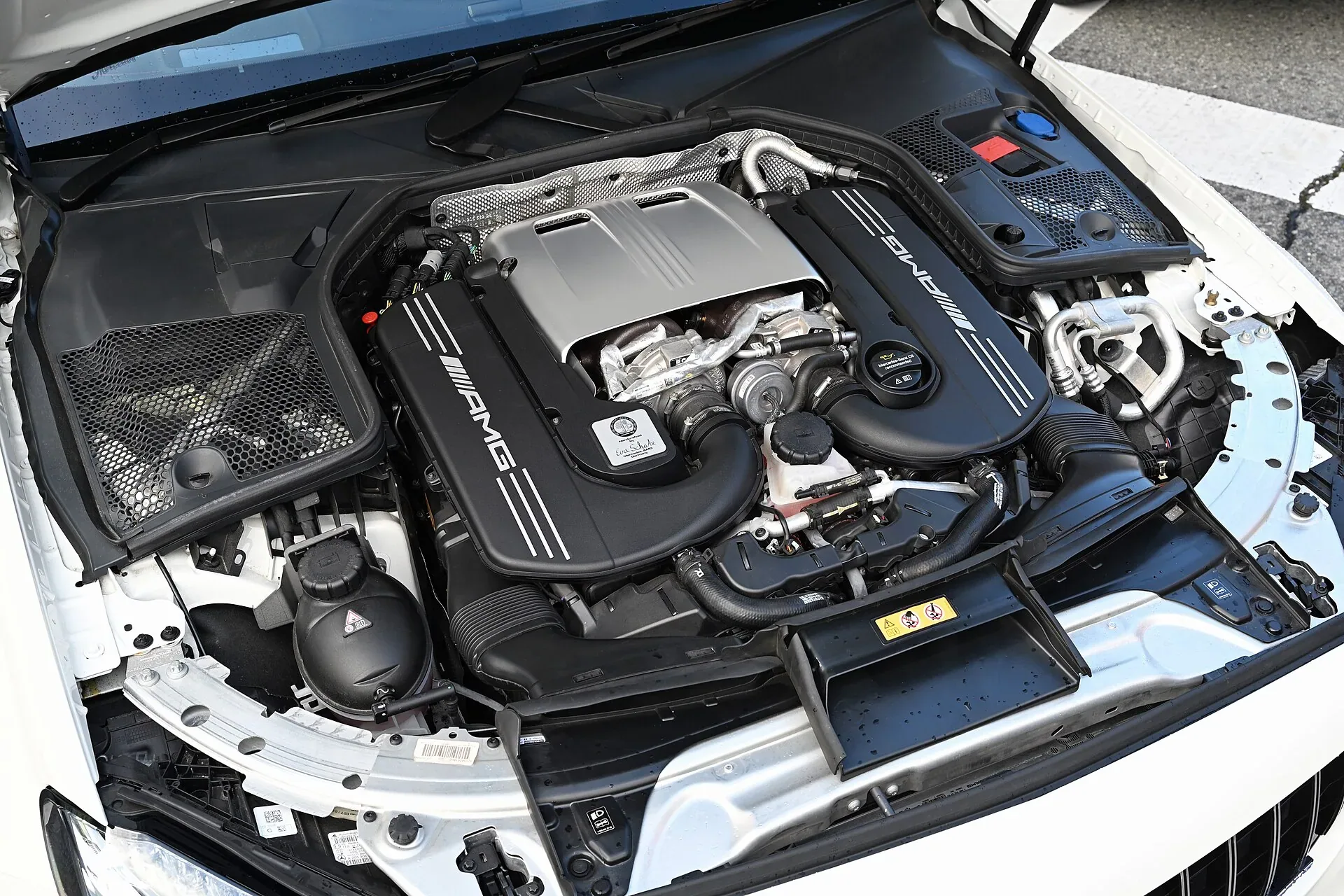
Stage 1, Stage 2 of GSG+: welke tuning past bij jouw auto?
Gepubliceerd
"Stage" is tuningjargon voor hoe ver je gaat. De cijfers zeggen niets over kwaliteit, wel over welke onderdelen er nodig zijn en hoeveel de aandrijflijn te verduren krijgt. Hieronder de drie smaken die wij aanbieden, zonder marketingnevel, en een eerlijk advies over welke bij jou past.
Stage 1: software, verder niets
Stage 1 is een optimalisatie van de motorsoftware op volledig originele hardware. Geen andere uitlaat, geen ander luchtfilter, geen grotere turbo. Dit is de sweet spot voor negen van de tien auto's: de grootste winst per euro, geen ingrepen aan de auto en volledig omkeerbaar omdat we de originele software bewaren.
Typische opbrengst: 15 tot 30 procent meer vermogen en koppel, afhankelijk van motor en brandstof. Het rijgedrag verandert merkbaar: minder schakelen, sneller invoegen, relaxter cruisen omdat de motor lager in de toeren hetzelfde werk doet.
Wat het vraagt van de auto: een gezonde motor en een koppeling of automaat in goede staat. Bij een Stage 1 blijven we binnen de koppelgrens van de versnellingsbak, dus dit is de veiligste stap.
Voor de meeste auto's is Stage 1 het juiste antwoord. Dagelijks gebruik, lease, jonge occasion, eerste kennismaking met tuning: begin hier.
Stage 2: software plus ademhaling
Bij Stage 2 verwijderen we de grootste beperkingen aan de in- en uitlaatzijde: een downpipe met sportkatalysator of een vrijere uitlaat, een beter luchtfilter of inlaattraject, vaak een grotere intercooler. Daarna wordt de software opnieuw op maat gemaakt, want een Stage 1 file op Stage 2 hardware is verspilde moeite of erger: de motor krijgt meer lucht dan waar de software op rekent.
De winst is groter dan bij Stage 1, maar er komen ook aandachtspunten bij:
- Geluid. Een vrijere uitlaat is hoorbaar, ook voor de buren en voor de handhaving.
- Emissiekeuring. Een sportkatalysator of het verwijderen van een roetfilter heeft gevolgen voor de APK en de typegoedkeuring. Wij doen geen ingrepen die de auto op de openbare weg niet-conform maken.
- Aandrijflijn. Meer koppel dan waar de bak op is berekend betekent slippende koppelingen en versleten automaten. Eerst versterken, dan tunen.
Wij doen Stage 2 alleen op auto's die daar mechanisch klaar voor zijn en zijn eerlijk als een koppeling of een automaat eerst versterking nodig heeft. Liever een nee aan de balie dan een sleepwagen op de snelweg.
GSG+: het maximale uit de originele hardware
GSG+ is geen Stage 2 met een ander etiket. Het is een Stage 1 op originele hardware, maar individueel gekalibreerd op onze vermogenstestbank in meerdere sessies. In plaats van een generieke file te laden, zoeken we per auto de optimale balans tussen laaddruk, inspuiting, timing en temperatuur. Dat levert doorgaans enkele procenten extra op ten opzichte van een standaard Stage 1, met een strakkere gasrespons en een vermogenscurve zonder dips.
Indicatieve vermogenscurve
Voorbeeld: 2.0 turbobenzine, Stage 1 vs GSG+
Waar de extra winst vandaan komt: een generieke Stage 1 file moet werken op elke auto van dat type, dus hij houdt marge voor de slechtste exemplaren. Bij GSG+ meten we wat jouw auto werkelijk doet en gebruiken we alleen de marge die er ook echt is. Je krijgt de meetbladen van voor en na mee, plus een testrit met datalog-analyse.
GSG+ is bedoeld voor wie het uiterste uit de standaardauto wil halen zonder de stap naar andere onderdelen te zetten, en daar bewijs van wil zien.
Wat merk je er van op de weg?
Cijfers op een meetblad zeggen minder dan een inhaalactie. Hieronder accelereren dezelfde auto's van 80 naar 120 km/u, het stuk dat je op een provinciale weg elke dag rijdt. Druk op Start.
Interactief · inhaalsimulatie
Inhaalsimulatie: 80 naar 120 km/u, origineel vs Stage 1
Hoe kies je?
- Dagelijkse auto, lease of jonge occasion: Stage 1. Betrouwbaar, omkeerbaar, direct merkbaar.
- Het uiterste uit de standaardauto, met bewijs op papier: GSG+.
- Al een sportuitlaat, of je wilt er een, en de auto is technisch gezond: Stage 2, na een eerlijke check van koppeling en bak.
- Motor met veel kilometers of bekende zwakke plekken: eerst onderhoud, dan tuning. Meer vermogen is nooit een reparatie.
Drie vragen die je jezelf moet stellen
- Waar rijd ik het meest? Snelweg en stad vragen om koppel in het middengebied, niet om een hoger topvermogen. Dat spreekt voor Stage 1 of GSG+.
- Wil ik iets aan de auto veranderen? Zo nee, dan valt Stage 2 af. Zo ja, reken dan eerst de onderdelen en de gevolgen voor keuring en geluid mee.
- Hoe is de conditie van koppeling en versnellingsbak? Dit bepaalt hoeveel koppel verantwoord is, ongeacht wat de motor kan leveren.
Alle opgegeven cijfers zijn indicatief en kunnen per auto circa 5 procent afwijken. Zoek je auto op via chiptuning om te zien wat Stage 1 en GSG+ voor jouw uitvoering betekenen, of neem contact op voor een advies op maat.