Wat is chiptuning? Stage 1 uitgelegd in gewone taal
Gepubliceerd
Bijna elke moderne auto rijdt rond met meer potentie dan de fabriek vrijgeeft. Chiptuning, of eigenlijk software-optimalisatie, haalt een deel van die reserve naar boven zonder dat er ook maar een schroef aan de motor wordt losgedraaid. In dit artikel leggen we uit wat er precies gebeurt, wat Stage 1 betekent, wat je er realistisch van mag verwachten en waarom de manier waarop het gebeurt belangrijker is dan het getal op de folder.
De ECU: het brein van je motor
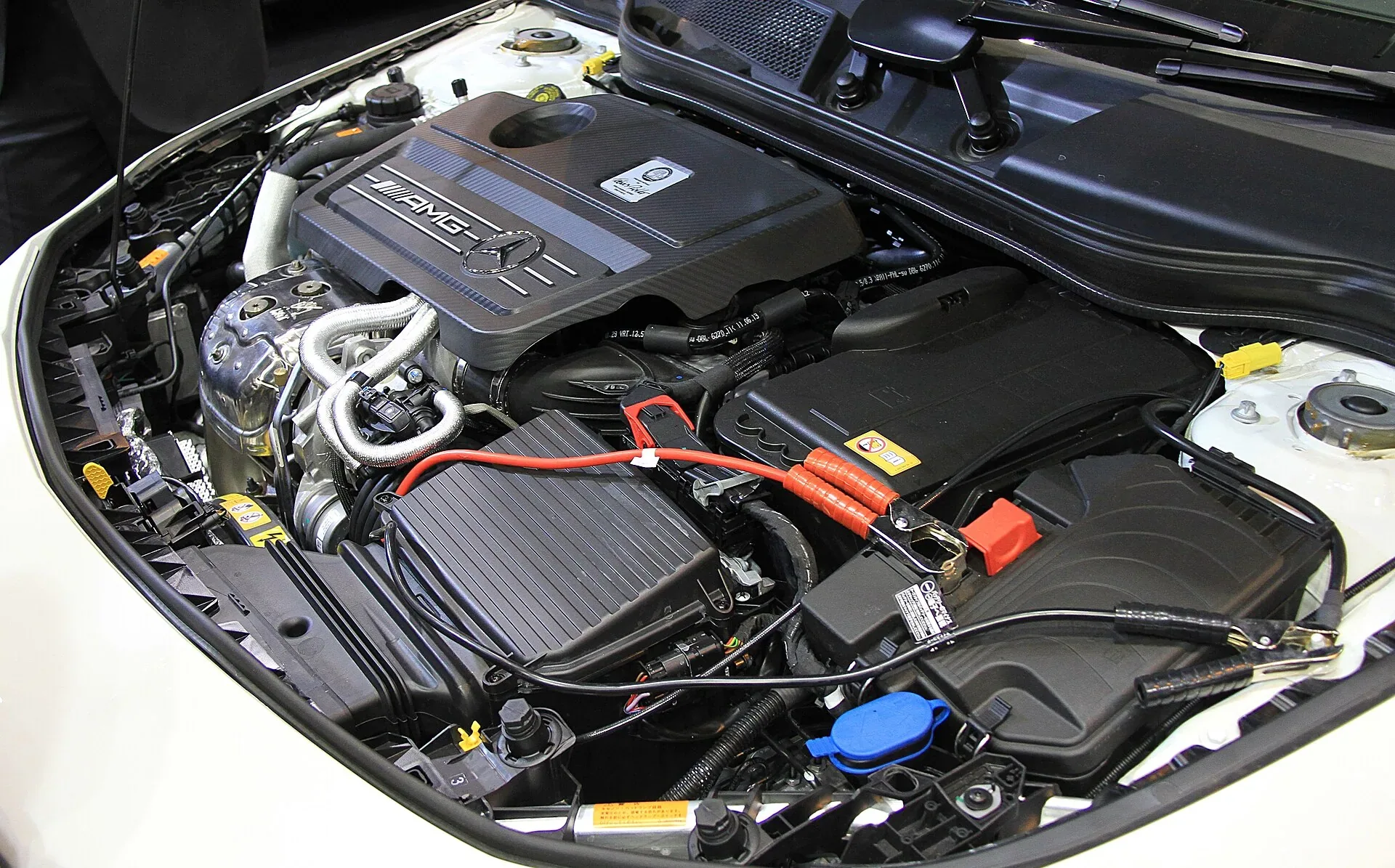
Elke auto van na ongeveer 1995 heeft een motormanagementcomputer, de ECU (Engine Control Unit). Die computer beslist honderden keren per seconde hoeveel brandstof er wordt ingespoten, wanneer de ontsteking plaatsvindt en, bij turbomotoren, hoeveel laaddruk de turbo mag opbouwen. Al die beslissingen komen uit kaarten: tabellen met waarden die de fabrikant heeft vastgelegd voor elke combinatie van toerental, belasting, temperatuur en luchtdruk.
Die fabriekskaarten zijn bewust conservatief, en dat heeft goede redenen:
- Wereldwijde marges. Een fabrikant bouwt dezelfde motor voor markten met slechte brandstof, extreme hitte en eigenaren die nooit onderhoud doen. De software moet overal werken, dus wordt hij afgesteld op het zwakste scenario.
- Modelbeleid. Motoren worden vaak kunstmatig in vermogensklassen verdeeld. Dezelfde 2.0 TDI staat als 150 pk en als 190 pk in de prijslijst, met grotendeels dezelfde hardware. Het verschil zit in de software en de prijs.
- Emissie en geluid. Normen worden gehaald met marge, en die marge kost vermogen en vooral koppel in het middengebied.
- Garantiekosten. Elke pk die de fabriek niet levert, hoeft hij ook niet te garanderen. Reserve in de hardware is goedkoper dan claims.
Het resultaat is een motor die mechanisch meer aankan dan hij mag laten zien. Zo ziet dat er schematisch uit; klik op "Stage 1" of "GSG+" om te zien wat er verandert.
Interactief · live simulatie
Zo werkt het motormanagement
Wat Stage 1 precies verandert
Bij een Stage 1 optimalisatie lezen wij de originele software uit de ECU via de diagnosepoort (OBD) of, bij nieuwere beveiligde units, rechtstreeks op de printplaat. We passen de relevante kaarten aan en schrijven de nieuwe software terug. De hardware van de auto blijft volledig origineel en de originele software bewaren we, zodat alles omkeerbaar is.
De kaarten die we aanpassen:
- Laaddruk. De turbo mag meer druk opbouwen, binnen wat de turbo zelf, de intercooler en het inlaattraject veilig aankunnen.
- Inspuithoeveelheid en timing. Meer lucht vraagt om meer brandstof op het juiste moment. Hier wordt het mengsel afgestemd op de nieuwe laaddruk.
- Ontstekingstijdstip bij benzinemotoren, met de klopregeling als bewaker. Te vroeg ontsteken levert op papier vermogen op en in de praktijk een kapotte zuiger; daarom blijven we ruim binnen de klopgrens.
- Koppelbegrenzers. De fabriek begrenst het koppel per versnelling om de versnellingsbak en de emissieklasse te beschermen. We verhogen die grenzen alleen tot wat de bak aankan.
- Gasrespons. De vertaling van gaspedaal naar gevraagd koppel wordt directer, zonder nerveus te worden.
Hieronder zie je wat dat doet met een doorsnee 2.0 turbobenzine van 190 pk. Let niet alleen op de piek, maar op het hele middengebied: daar rijd je.
Indicatieve vermogenscurve
Voorbeeld: 2.0 turbobenzine, origineel vs Stage 1
Wat je realistisch mag verwachten
De winst hangt vooral af van het type motor:
- Turbodiesel: circa 20 tot 30 procent meer vermogen en 25 tot 35 procent meer koppel. De grootste sprong in rijbeleving, omdat het koppel laag in de toeren komt.
- Turbobenzine: circa 15 tot 25 procent meer vermogen en koppel, met een merkbaar strakkere gasrespons.
- Atmosferische motor (zonder turbo): 5 tot 10 procent. Zonder laaddruk om aan te draaien is de speelruimte klein; hier gaat het vooral om gasrespons en een vlakkere koppelcurve.
Exacte cijfers zijn altijd indicatief. Elke auto wordt bij ons individueel afgesteld en de uiteindelijke waarde kan circa 5 procent afwijken, afhankelijk van brandstof, buitentemperatuur en de conditie van de motor.
Meer koppel in het middengebied verandert een auto meer dan een hoger topvermogen. Je schakelt minder, voegt makkelijker in en de motor werkt bij dezelfde snelheid minder hard.
Goed om te weten: een Stage 1 optimalisatie is volledig omkeerbaar. Wij bewaren de originele software van jouw auto en kunnen die op elk moment terugzetten.
Waarom niet gewoon "vol open"?
Omdat je auto langer mee moet gaan dan tot volgende maandag. Een goede Stage 1 blijft binnen de mechanische grenzen van de originele onderdelen: de turbo, de intercooler, de koppeling en de versnellingsbak. Meer vermogen betekent altijd meer belasting van de aandrijflijn, dat is natuurkunde. Wat het verschil maakt, is hoe ver je gaat en hoe je dat meet.
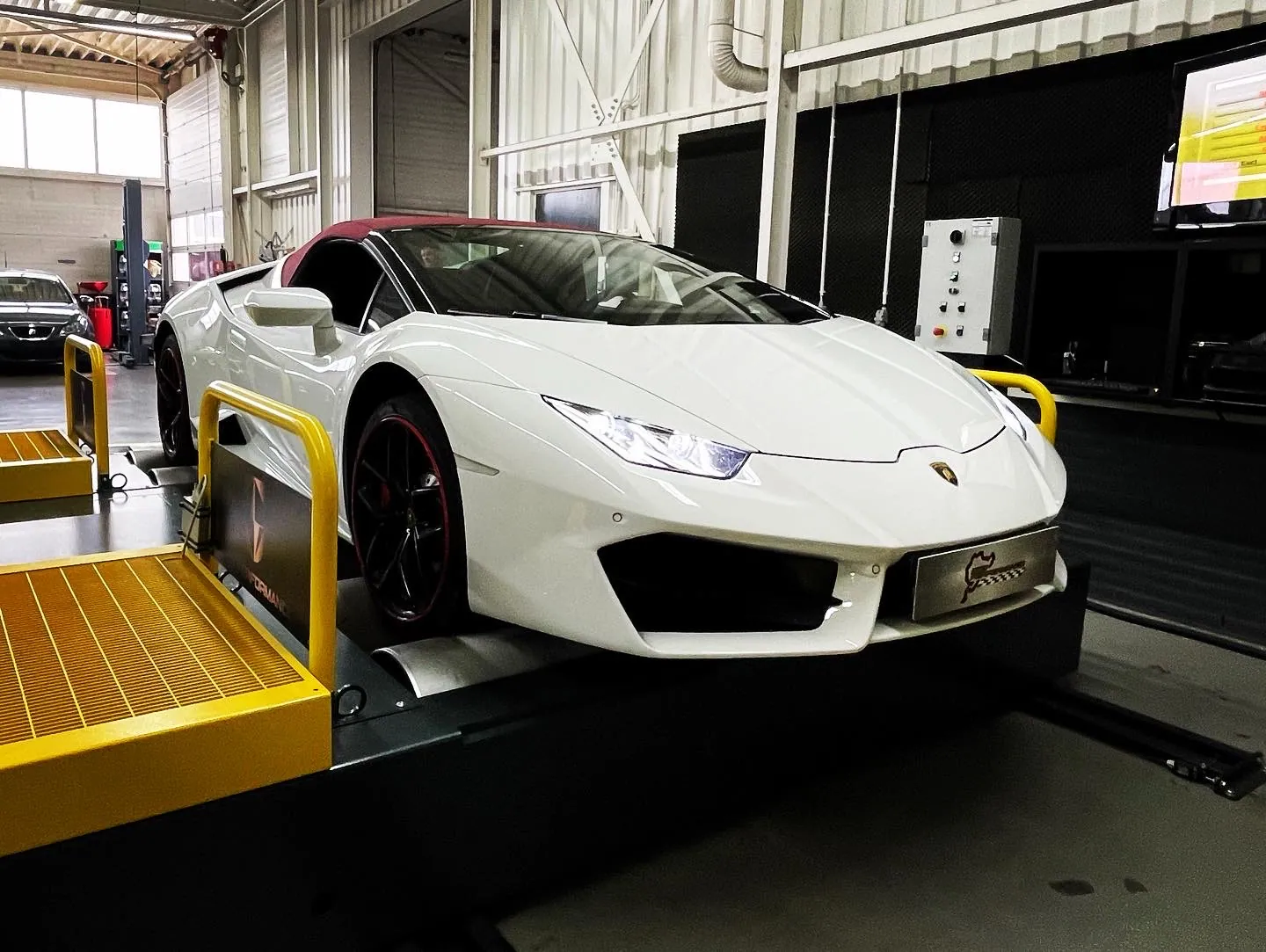
Daarom kalibreren wij op de vermogenstestbank. Tijdens elke meting loggen we laaddruk, uitlaatgastemperatuur, inlaattemperatuur, lambda en de klopregeling. Loopt de motor ergens tegen een grens aan, bijvoorbeeld een turbo die buiten zijn efficiënte gebied komt of een uitlaatgastemperatuur die te lang te hoog blijft, dan is dat het punt waar we stoppen. Niet het punt waar de grafiek het mooist is.
Voor welke auto is het geschikt?
Vrijwel elke turbomotor van de afgelopen twintig jaar is een goede kandidaat: van een 1.0 TSI in een compacte stadsauto tot een 3.0 V6 diesel in een SUV of bestelbus. De voorwaarde is dat de auto technisch gezond is. Een motor die olie verbruikt, een turbo die fluit of een roetfilter dat vol zit, wordt door meer vermogen niet beter. Daarom controleren we vooraf de foutcodes en de belangrijkste live-data en bespreken we eerst wat we vinden.
Benieuwd wat het voor jouw auto zou betekenen? Kies de brandstof en schuif naar het vermogen dat nu in je kentekenbewijs staat.
Interactief · rekenvoorbeeld
Wat levert het op bij jouw auto?
circa 20 tot 30% vermogen, 25 tot 35% koppel. Indicatief; de exacte cijfers voor jouw uitvoering staan in onze catalogus en kunnen circa 5% afwijken.
Zoek jouw auto opZo verloopt het bij ons
- Je zoekt je auto op via onze chiptuning-pagina en vraagt een prijsindicatie aan.
- We plannen een sessie in en controleren de auto bij binnenkomst.
- Nulmeting op de testbank, software op maat, controlemetingen en een testrit met datalog.
- Je krijgt de meetbladen en curves van voor en na mee.
Vragen over garantie, APK of veiligheid? Die beantwoorden we in onze veelgestelde vragen. Liever direct iemand spreken? Neem contact op.